
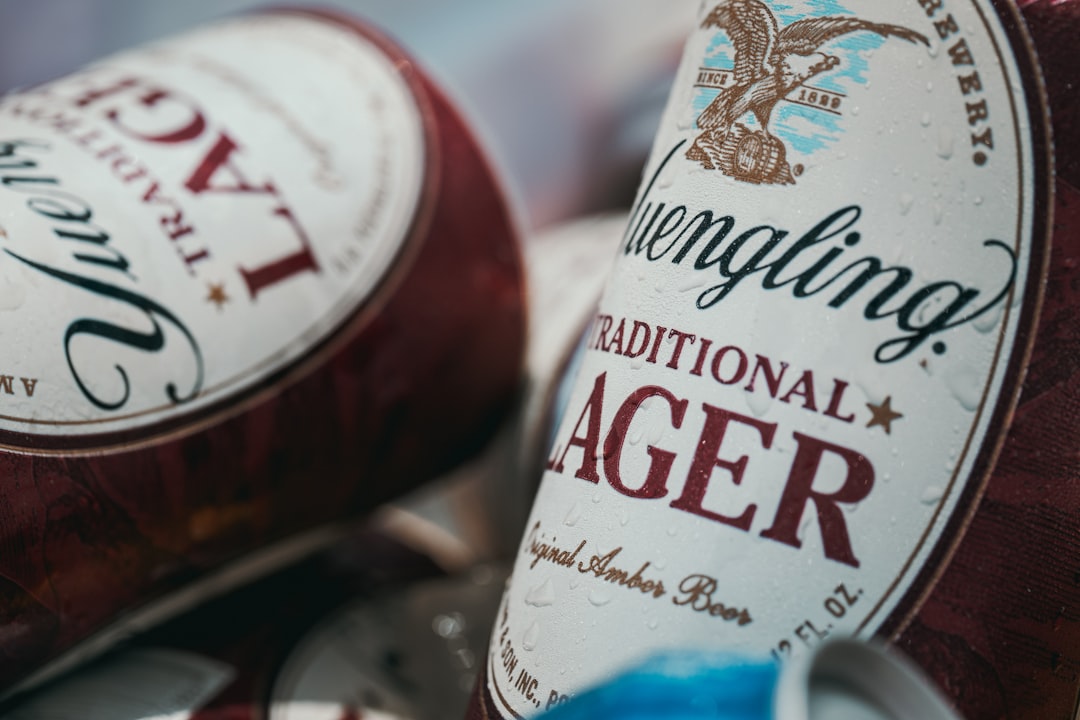
Lagers get a reputation for being simple and safe, but exploring craft lagers reveals a surprisingly wide world of flavor, technique, and creativity. From bright, floral Pilsners to roasty Schwarzbiers and hop-forward Cold IPAs, craft lagers prove that slow fermentation and cold conditioning can produce beers as expressive and nuanced as any IPA or stout.
Why Lagers Deserve a Second Look
Many craft beer fans gravitate toward ales because they're often bold, fast-fermenting, and experimental. Yet lagers offer a different kind of artistry. The process demands patience, precision, and temperature control, and the result is often a beer where subtlety and balance shine. When brewers push the boundaries—using novel malt bills, modern hop varieties, or unconventional adjuncts—the lager category expands into places that surprise even seasoned drinkers.
Drinkers who start exploring craft lagers often find that what seemed "safe" at first becomes a rich field of discovery: crisp bitterness, floral hop aromas, creamy malt character, and clean finishes that make food pairing a joy.
What Makes a Lager...lager?
At its core, the difference between lagers and ales comes down to yeast and temperature.
- Lager yeast (Saccharomyces pastorianus) ferments at cooler temperatures (typically 45–55°F or 7–13°C). It’s a bottom-fermenting yeast strain that produces fewer fruity esters and phenols than ale yeast.
- Lagering—the extended cold-conditioning period after primary fermentation—smooths and clarifies the beer, reducing harshness and creating a clean, crisp profile.
- Because flavors are less masked by esters, the malt, hops, water, and process nuances show through more clearly.
This technical simplicity is deceptive. Small changes in temperature, yeast strain, hop timing, or water chemistry can produce large differences in the final beer—one reason brewers and enthusiasts love craft lagers.
The Rise of Craft Lagers
For decades, the lager category was dominated by big commercial breweries producing a narrow range of light, pale lagers. The craft movement initially focused on ales, where experimentation was easier. Over the past 15 years, however, smaller breweries began revisiting lager styles with modern sensibilities—better malts, local ingredients, and sophisticated hopping. This shift brought several trends:
- Revivals of classic European styles (German Pilsner, Helles, Märzen).
- American reinterpretations: hop-forward Pilsners and amber lagers with bold flavor.
- Hybrid styles, especially the rise of India Pale Lager (IPL) or Cold IPA, which blends lager fermentation with assertive hop profiles.
- Experimentation with barrel-aging and mixed fermentation applied to lager bases.
Canadian craft brewers have also made notable contributions, often blending European tradition with North American hop varieties and malt choices. For craft drinkers in the USA and Canada, this means access to a vibrant, growing selection of lagers—precisely the sorts of beers a retailer like Beer Republic curates for easy discovery.
Key Ingredients and How They Shape Flavor
Understanding how ingredients impact a lager helps when tasting or selecting bottles:
- Malt: Base malts (Pilsner, Pale, Vienna, Munich) provide body and color. Specialty malts add biscuit, bread, caramel, or toasty notes.
- Hops: European noble hops (Saaz, Hallertau, Tettnang) create floral, spicy bitterness in classic lagers. American and New World hops bring citrus, resin, and tropical notes in modern craft lagers.
- Yeast: Different lager strains produce subtle variations in sulfur, ester, and phenolic profiles—important in distinguishing styles.
- Water: Mineral content affects mouthfeel and perceived bitterness. Soft water favors delicate Pilsners, while harder water supports bolder, maltier lagers.
- Adjuncts and techniques: Rice and corn lighten body (common in mass-market and some Mexican-style lagers), while smoking, barrel-aging, or dry-hopping push boundaries in craft versions.
Popular Craft Lager Styles Explained
Below are common lager styles a curious drinker will encounter when exploring craft lagers, with tasting notes and what to expect from modern craft interpretations.
Pilsner (German and Czech)
Pilsner is often the gateway lager. Czech (Bohemian) Pilsners are malt-forward with a soft bitterness and spicy, noble-hop aroma; German Pilsners are drier, crisper, and more bitter. Craft versions may highlight New World hops for more assertive aroma while retaining Pilsner’s light body and snap. Expect pale gold color, a fine white head, and a clean finish.
Helles
Helles (meaning "bright" in German) is malt-centric—round, slightly sweet, and smooth with low hop presence. It suits drinkers who appreciate malt complexity without heavy roastiness. Craft Helles often emphasizes local malts and impeccable fermentation control.
Dortmunder/Export
Dortmunder sits between Helles and Pilsner—balanced malt sweetness and moderate bitterness. Historically from Germany’s Dortmund, modern craft Dortmunder/Export versions may add hop lift or richer malt. It’s a great style to taste brewer craftsmanship.
Vienna and Amber Lagers
Vienna lagers feature a toasty, biscuity malt flavor and copper color. American craft amber lagers borrow this profile but often incorporate hoppier or bolder malt bills, producing approachable, flavorful beers that pair well with grilled foods.
Märzen / Oktoberfest
Traditionally brewed for Oktoberfest, Märzen is medium-bodied with rich toasty malt flavors and a clean finish. Craft interpretations vary in roast and sweetness—some are full and bready, others more restrained.
Schwarzbier
Schwarzbier (black beer) surprises many with its roasty, chocolate-like notes but surprisingly light body and crisp finish. Craft Schwarzbiers showcase how dark malts can contribute flavor without heavy heaviness.
Baltic Porter
Although porter is typically an ale, Baltic porter is often lagered—resulting in a smooth, clean, full-bodied dark beer with dark fruit and chocolate notes. Craft Baltic porters may be rich yet remarkably clean.
Kellerbier / Unfiltered Lager
These are unfiltered, often hazy lagers with a more pronounced yeast character and a lively mouthfeel. They often feel fresher and more vibrant—great for those who enjoy farmhouse or unfiltered ales but want a lager backbone.
India Pale Lager (IPL) / Cold IPA
One of the most exciting contemporary trends, the IPL/Cold IPA combines lager fermentation with aggressive dry-hopping and modern hop varieties. The result is a crisp, highly aromatic beer with pronounced hop flavor and a clean finish. It’s an excellent example of innovation among craft lagers.
Mexican-Style Lager
Light, clean, and refreshing, Mexican-style lagers (including craft versions) emphasize drinkability. Craft examples often showcase better malt character, subtle hop presence, and sometimes adjuncts like flaked maize or rice taken from traditional recipes but with higher-quality ingredients.
Tasting Craft Lagers: A Practical Guide
Tasting lagers requires attention to nuance. The following steps help while exploring craft lagers at home, a taproom, or through a curated selection like those on Beer Republic.
- Choose the right glass: A tulip or a classic Pilsner glass captures aroma and shows off color; a mug or stein suits maltier lagers.
- Pour gently: Aim for a moderate head (1–2 fingers) to release aroma but not overwhelm.
- Observe: Note color, clarity, and head retention. Does the beer look bright, hazy, or dark?
- Smell: Take short sniffs. Look for hop floral, spicy, or resinous notes; malt bread, caramel, or roast; and any yeast-derived nuance.
- Taste methodically: Take a small sip, hold for a beat, and note initial flavor, mid-palate, and finish. Pay attention to body, carbonation, bitterness, and balance.
- Reflect: Does the beer taste clean and crisp? Are there off-flavors (diacetyl, solventy esters, or excessive sulfur)? These can indicate process issues or style choices.
Example tasting notes:
- German Pils: Pale gold, delicate floral hop aroma, crisp bitterness, dry finish.
- Vienna Lager: Copper color, toasted bread and caramel malt, gentle hop bitterness, medium body.
- Cold IPA: Straw color, intense citrus and pine hops on the nose, dry and bitter finish, very clean fermentation profile.
Food Pairings for Craft Lagers
Lagers’ clean finishes and varied malt/hop balances make them versatile pairing partners. Here are pairing ideas by style:
- Pilsner: Seafood (oysters, shrimp), sushi, light salads, sharp cheeses.
- Helles: Roast chicken, mild sausages, potato dishes, grilled vegetables.
- Vienna/Amber: Barbecue, roasted pork, caramelized onions, cheddar.
- Schwarzbier: Smoked meats, chocolate desserts, mushroom dishes.
- Baltic Porter: Hearty stews, blue cheese, dark fruit desserts.
- IPL/Cold IPA: Spicy foods, citrus-heavy dishes, rich fish like salmon.
Because lagers often have a clean palate finish, they can cut through richness and refresh between bites—one reason chefs and home cooks appreciate them at the table.
How to Explore: Buying, Brewery Visits, and Subscriptions
For those serious about exploring craft lagers, a multi-pronged approach works best:
Try Flights
Flights at taprooms allow side-by-side comparisons. Looking at 4–6 small pours makes it easier to see how yeast, hops, and malt choices change perception.
Visit Breweries During Lager Days
Many breweries reserve special tanks for lagers and schedule "lager days" when new releases or experimental batches are tapped. These are excellent opportunities to speak with brewers about technique, yeast strains, and lagering time.
Use Curated Retailers and Online Shops
Retailers like Beer Republic make exploration convenient: curated collections, rotating selections from the USA and Canada, and fast shipping get interesting lagers to one’s door without a multi-state road trip. When shopping online, search for terms like “Pilsner,” “Helles,” “IPL,” or “Kellerbier” to find style-specific picks.
Join Clubs and Subscriptions
Subscription services or beer clubs can introduce rare or seasonal lagers that aren't widely distributed. They often include tasting notes and pairing suggestions, which accelerate learning.
Read Labels and Look for Freshness
- Check production or best-by dates—hops and certain aromas are freshest within a few months of packaging.
- Note ABV and hop varieties listed; they hint at intensity and flavor profile.
Homebrewing Lagers: Tips for Success
Homebrewing lagers is a rewarding challenge. The technical demands teach brewers to be precise, and the payoff is a clean, refined beer. Key tips:
- Temperature control: Accurate fermentation temps are critical. Consider a fridge chest with a temperature controller or an ADA (temperature-controlled fermentation chamber).
- Yeast propagation: Lager yeast often needs a strong starter because it ferments slowly. Make a vigorous starter to ensure healthy fermentation.
- Lagering time: Plan for extended cold conditioning—weeks to months depending on style and gravity.
- Pitch rates: Use higher pitch rates than for ales; that reduces diacetyl and off-flavors.
- Oxygen management: Aerate well at the start but avoid oxygen exposure after fermentation begins to reduce stale flavors.
- Patience: Don’t rush. Many flaws vanish with proper conditioning, but some persist if fermentation was mishandled.
Homebrewers who master lagering skills often find their ale brewing improves, too—because they’ve learned control and consistency.
Preserving and Serving Craft Lagers
To get the most from craft lagers, storage and serving matter:
- Storage: Keep beer cool and upright. Heat and sunlight degrade hops and promote oxidation. A fridge is ideal.
- Serving temperature: Lighter lagers (Pilsners, Helles) perform best at 40–45°F (4–7°C). Fuller lagers (Vienna, Märzen, Baltic porter) are better slightly warmer—46–52°F (8–11°C)—to reveal malt complexity.
- Glassware: Narrow Pilsner glasses concentrate carbonation and aroma; tulip glasses are good for hop-forward lagers; steins and mugs work for heavier lagers.
- Carbonation: Many craft lagers are highly carbonated—this adds lift and accentuates crispness. Some unfiltered kellerbiers are less fizzy and more textural.
Common Misconceptions About Lagers
Two myths often discourage people from exploring craft lagers:
- Lagers are boring: True for certain mass-market examples, but craft lagers cover an enormous sensory spectrum. The category includes bright, bitter Pilsners, rich Baltic porters, and hop-saturated IPAs in lager disguise.
- Lagers are only light and low-quality: Many craft lagers are high-quality, carefully brewed, and full of character. The category’s subtlety often rewards attentive tasting.
Where Beer Republic Fits In
For enthusiasts who are exploring craft lagers, Beer Republic provides a helpful bridge between curiosity and discovery. As a retailer focused on craft beers from the USA and Canada, Beer Republic curates a selection that spans classic styles and contemporary experiments—making it easier to sample high-quality lagers without searching every local taproom. Their site’s collections, seasonal picks, and fast shipping are useful for those chasing fresh bottlings or limited releases.
Beer Republic’s collections often group lagers by style or theme (e.g., Pilsners, Cold IPAs, Autumn Ales), which helps buyers try multiple examples and learn differences. For gift-giving or tasting nights, their curated packs remove the guesswork and introduce valuable variety.
Practical Recommendations for Beginners
Someone new to craft lagers should start with a few approachable categories to build palate and confidence:
- Begin with a classic Pilsner (Czech or German) to appreciate the cleanness and hop character.
- Try a Helles and a Vienna lager to compare malt-forward approaches.
- Sample a Cold IPA or IPL to see how hop-forward flavors can work with lager yeast.
- Include an unfiltered Kellerbier to experience yeast-driven complexity.
Doing a small flight with these variants on the same evening helps reveal how yeast and process alter perception more than bold additives do.
Final Thoughts
Exploring craft lagers opens a world where precision meets creativity. Whether one’s interest is serious tasting, homebrewing, or simply finding refreshing beers for a backyard barbecue, lagers reward patience and attention. The category’s rapid innovation—IPLs, unfiltered lager revivals, hop-forward Pilsners—means there’s always something new on tap.
For craft beer fans in the USA and Canada, retailers and curators like Beer Republic make this exploration easier: thoughtful selections, access to regional brews, and fast delivery let people taste widely without traveling. As more breweries experiment and refine techniques, craft lagers will likely become a mainstay of any serious beer lover’s rotation.
Frequently Asked Questions
Are lagers better served colder than ales?
Lagers are generally served colder than ales, but the ideal temperature depends on style. Light Pilsners perform best at 40–45°F (4–7°C), while maltier lagers like Vienna or Märzen reveal more flavor at slightly warmer temperatures (46–52°F / 8–11°C).
What's the difference between an IPL and a Cold IPA?
Both terms describe hop-forward lagers that emphasize modern hop aromas with clean lager fermentation. IPL (India Pale Lager) usually denotes a lager brewed with IPA-level hopping; Cold IPA is a newer name highlighting the cold fermentation and crisp finish. Expect citrus, pine, or tropical hop notes on a dry, clean base.
How long does lagering take?
Lagering time varies by style and gravity. Many lagers condition for several weeks to a few months. Light lagers might be adequately lagered in 4–6 weeks total; stronger or complex lagers (like Baltic porters) often benefit from longer cold conditioning—2–4 months or more.
Can homebrewers make good lagers without fancy equipment?
Yes, but temperature control is the main challenge. A basic setup with a refrigerator or chest freezer and a temperature controller can produce excellent lagers. Proper yeast starters and patience with lagering are also key.
How should a beginner choose which craft lagers to try first?
Start with a small range: a Pilsner, a Helles, a Vienna/amber, and a hop-forward IPL/Cold IPA. Tasting these side-by-side highlights differences in malt, hops, and yeast character—ideal when exploring craft lagers for the first time.
