
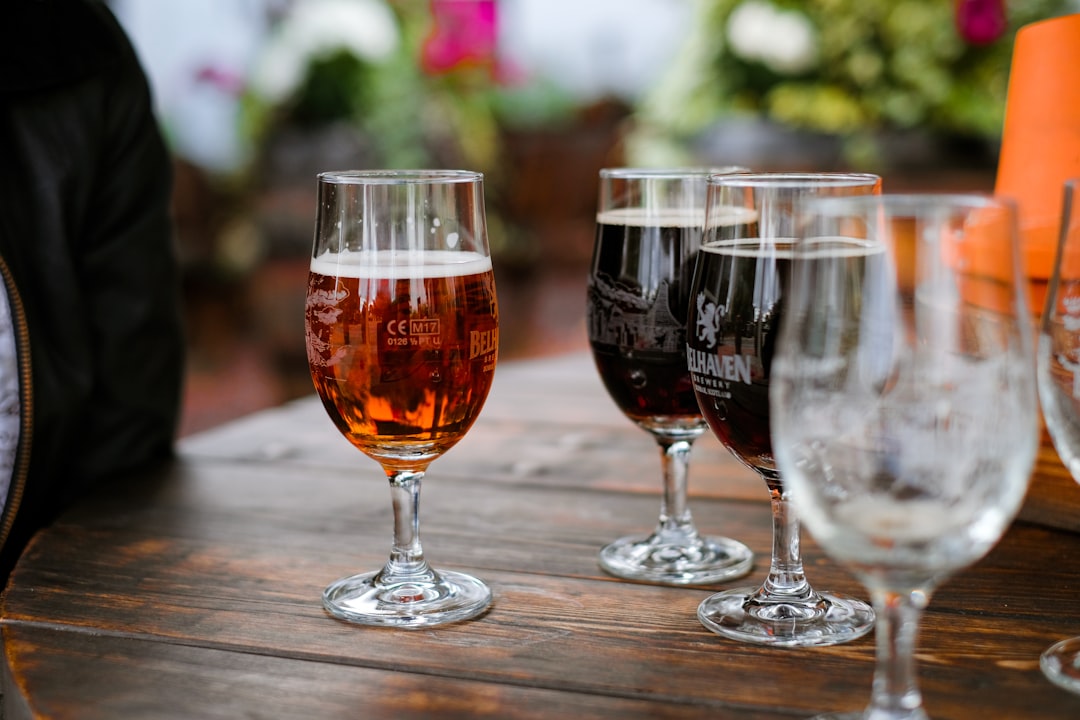
Belgian beer styles represent some of the most diverse, flavorful, and historically rich brews in the world. From tart, spontaneously fermented lambics to rich, fruity Trappist ales, Belgian brewing traditions have shaped how craft beer enthusiasts think about yeast, fermentation, and pairing beer with food. This guide walks through the major Belgian beer styles, what makes them unique, how to taste and serve them, and where to find great examples—whether in Belgium or from North American craft brewers and retailers like Beer Republic.
Why Belgian Beer Styles Matter
Belgium punches well above its weight in beer culture. For centuries, Belgian brewers—both monastic and secular—experimented with local techniques, wild yeasts, and unusual ingredients, producing a panorama of tastes and textures that still inspires modern brewers worldwide. Many contemporary craft beer trends (bottle-conditioning, mixed fermentation, and fruit-aging) either come from or were popularized by Belgian traditions. For a craft beer lover who wants to understand fermentation and flavor, Belgian beer styles are a must-explore.
Historical Roots and Brewing Traditions
Belgian brewing goes back to medieval monasteries and small village breweries. Two traditions stand out:
- Monastic brewing: Trappist monasteries brewed beer both for local consumption and to fund charitable works. The famous Trappist designation requires brewing inside monastery walls and adherence to strict criteria. Abbey ales are similar in style but typically brewed commercially under license or tribute.
- Spontaneous and mixed fermentation: Particularly around Brussels, brewers allowed native airborne microbes to ferment their wort—this is the backbone of lambic beers. Over time, brewers also started blending younger and older beers to achieve balance and complexity (as in gueuze).
These approaches created categories and techniques—like bottle-conditioning, candi sugar usage, and the celebrated Belgian yeast strains—that still define Belgian beer styles today.
Core Elements That Define Belgian Beers
While Belgian beer styles vary wildly, several recurring elements help define them:
- Yeast-driven flavor: Belgian ale yeasts produce esters (fruity aromas like banana or pear) and phenols (spicy, clove-like notes). Yeast personality often takes center stage.
- Secondary fermentables: Brewers often add candi sugar or other adjuncts to raise alcohol without making beer overly sweet or heavy. This contributes to dryness and helps yeast-derived flavors shine.
- Bottle-conditioning: Many Belgian beers are refermented in the bottle, producing natural carbonation and a living yeast character that evolves over time.
- Wild and mixed fermentations: Some Belgian beers (notably lambics and Flemish reds) use wild yeast like Brettanomyces or rely on a mix of Saccharomyces and lactic bacteria for complexity and sourness.
- Unconventional ingredients: Spices, orange peel, coriander, and fruit are common, especially in styles like witbier or fruited lambics.
- Distinct glassware: Many Belgian beers are defined by the glass they’re served in, which concentrates aroma and controls carbonation.
Classic Belgian Beer Styles
Belgian brewing spans light, refreshing beers to thick, boozy ales. The following breakdown helps readers recognize and appreciate the major categories.
Trappist and Abbey Ales: Dubbel, Tripel, Quadrupel
Trappist and abbey ales are often the first thing people think of when they hear "Belgian beer styles."
- Dubbel: A brown, malty beer with raisin, caramel, and dark fruit notes. Usually 6–8% ABV. It’s moderately sweet but balanced by yeast phenols.
- Tripel: Golden to pale, high in alcohol (7.5–10% ABV), and surprisingly dry. Expect spicy phenols, fruity esters, and a warming alcohol presence. Tripels are often the showcase of Belgian yeast character.
- Quadrupel (Quad): Dark, rich, and strong (often 10%+ ABV). Flavors lean toward figs, roasted malt, molasses, and dark fruit. It’s a sipping beer that rewards slow drinking or cellaring.
Examples: Westmalle Dubbel, Westmalle Tripel, Rochefort 10 (quad-like).
Belgian Strong Golden Ale
Often confused with Tripel, the Belgian Strong Golden Ale presents an intensely aromatic, pale, highly carbonated profile with alcohol masked by delicate fruit and spice. Think of a golden, effervescent sipper with layers of complexity.
Examples: Duvel, La Chouffe (sometimes labeled as strong golden).
Belgian Blonde Ale
Blondes are approachable, sessionable (by Belgian standards), and balanced. They’re typically 6–7.5% ABV, with a mild malt backbone, light esters, and a clean finish—often a great gateway into Belgian beers.
Example: Affligem Blonde, Leffe Blonde.
Belgian Pale Ale
Distinct from English pale ales, the Belgian version tends to be less hop-forward and more yeast-driven—featuring fruity esters, a touch of spice, and moderate bitterness. It pairs nicely with food because of that balance.
Example: De Koninck (An Antwerp classic).
Witbier (Belgian White Beer)
Witbier is brewed with a substantial portion of unmalted wheat and flavored with orange peel and coriander. It’s hazy, light-bodied, and refreshing with citrus and spice on the nose. Witbier is ideal for warm weather and casual sipping. Serve cold in a pint or tulip glass.
Example: Hoegaarden, Bingemans-style craft variations.
Saison (Farmhouse Ale)
Saisons started as seasonal farmhouse beers in Wallonia. They’re typically dry, effervescent, and highly attenuated with peppery spice and fruity esters. Modern interpretations range from subtle and rustic to highly hopped or fruited. Saisons are versatile—great with food and experimental additions.
Example: Saison Dupont (a benchmark).
Lambic and Its Offspring: Gueuze, Kriek, Framboise
Lambics are perhaps the most singular of Belgian beer styles. Made by exposing cool wort to ambient wild yeasts and bacteria in the Senne river valley (around Brussels), lambics develop tart acidity, complex funk, and a dry finish.
- Gueuze: A blend of young (1-year) and old (2-3-year) lambics that undergoes secondary fermentation in the bottle. Gueuze is often called the "champagne of Belgium" because of its lively carbonation and layered acidity.
- Kriek: Lambic aged with cherries—expect tart cherry, almond, and funky barnyard notes.
- Framboise: Raspberry-aged lambic, intensely fruity and tart.
Examples: Cantillon Gueuze, Drie Fonteinen Kriek.
Flanders Red and Oud Bruin (Flemish Sour Ales)
These are barrel-aged, mixed-fermentation ales from West Flanders. They balance sour lactic acidity with a malty sweetness and often show oak-aged complexity.
- Flanders Red Ale: Tart and vinous, often aged in oak and blended for balance. Think red-wine-like acidity with caramel and fruit notes.
- Oud Bruin (Old Brown): Typically sweeter and less acetic than Flanders Red, with dark fruit, molasses, and mild sourness.
Example: Rodenbach Grand Cru (Flanders Red).
Belgian Stout and Dark Ales
Belgium doesn’t have as strong a tradition of stouts as the British Isles, but Belgian brewers produce dark ales and porters with yeast-driven fruitiness atop roasty malts. These often show dried fruit, caramel, and a spicy yeast profile rather than the roast-forward, hop-focused stouts familiar in the U.S.
Example: Some Rochefort or Westvleteren expressions show similar dark fruit power to a stout but with Belgian yeast character.
How to Taste and Appreciate Belgian Beers
Tasting Belgian beer is a sensory exercise. Here's a practical approach for both newcomers and advanced tasters:
- Choose the right glass: Use the beer’s branded tulip or goblet if available. If not, use a tulip or stemmed glass to capture aromatics and control carbonation.
- Observe: Note color, clarity, and head retention. Many Belgian beers are bottle-conditioned and display lively effervescence.
- Smell: Take short sniffs first, then a fuller inhale. Try to separate fruity esters (banana, pear) from spicy phenols (clove, pepper) and any wild funk (barnyard, brett).
- Taste: Let the beer coat the tongue. Identify sweetness, bitterness, acidity, and alcohol warmth. Belgian beers often balance sweet malt with high carbonation and dry finishes.
- Think about evolution: Bottle-conditioned and wild beers change as they warm and breathe. A Belgian ale may open up after a few minutes in the glass.
Example palate notes: A Tripel might smell of white pepper, banana, and light floral hops, with a dry, warming finish. A gueuze will show lemony acidity, green apple, and barnyard funk with champagne-like bubbles.
Serving Temperature and Glassware
Serving temperature matters. Too cold and the nuanced esters disappear; too warm and alcohol dominance may overwhelm subtleties.
- Light, golden ales (wits, blondes, pale ales): 40–46°F (4–8°C)
- Tripels and strong golden ales: 45–50°F (7–10°C)
- Dubbel, brown ales, Flanders: 50–55°F (10–13°C)
- Quads, lambics, barrel-aged beers: 55–60°F (13–15°C) for full aromatic expression
Glassware: tulip, goblet, chalice, and flute (for gueuze) are common. The right shape concentrates aromatics and maintains a pleasing head.
Food Pairings with Belgian Beers
Belgian beers are exceptionally food-friendly. Their balance of carbonation, acidity, and yeast-driven complexity makes them excellent partners for a wide range of dishes.
- Witbier: Light salads, seafood, goat cheese; the citrus and coriander complement fresh flavors.
- Tripel: Rich poultry, creamy cheeses, and spicy dishes—Tripel’s effervescence cuts richness while the spice complements heat.
- Dubbel and Quad: Roasted meats, game, stews, and chocolate desserts; the dark fruit and caramel notes match savory and sweet richness.
- Saison: Grilled vegetables, pork, and tangy cheeses; saison’s peppery yeast plays well with herbaceous food.
- Lambic/Gueuze: Oysters, aged cheeses, and desserts with citrus or fruit—acidity refreshes the palate.
- Flanders Red: Acidic enough to stand up to fatty meats; pairs brilliantly with sharp cheeses and cherry-based sauces.
Tip: When pairing, think about complementary and contrasting flavors. A sweet, fruity beer contrasts richly with sour elements; a highly carbonated, dry beer cleanses heavy dishes.
Belgian Styles in North America
Belgian brewing traditions traveled across the Atlantic and inspired countless American and Canadian brewers. Today, many craft breweries create faithful interpretations, while others take a more experimental "Belgian-inspired" approach.
- Faithful interpretations: Some breweries follow traditional methods—using Belgian yeast strains, bottle-conditioning, and long conditioning times—to approximate the original styles. These are ideal for drinkers who want a genuine Belgian character without traveling to Europe.
- Hybrid and experimental takes: Others blend Belgian yeast character with American hop profiles, barrel-aging with local spirits, or fruit additions native to North America. These hybrids can be exciting and offer new flavor possibilities.
- Availability: Retailers like Beer Republic curate many Belgian-style offerings from North American craft brewers—making it easy to explore the range. Fast shipping and curated collections help enthusiasts compare styles side-by-side.
Example North American brewers and approaches: some Pacific Northwest breweries produce saisons with West Coast hop character; East Coast breweries age mixed-fermentation beers in bourbon barrels; Canadian breweries offer impressive takes on bières de garde and dubbel-style ales.
Buying Tips and Cellaring Belgian Beers
Belgian beers reward both immediate enjoyment and careful aging, depending on style.
- Check the label: Look for bottling dates, recommended cellaring conditions, and whether the beer is bottle-conditioned. Many Belgian beers improve with age, but not all benefit equally.
-
Short-term vs. long-term:
- Drink within a year: witbiers, most saisons, and many gueuzes (though some gueuzes improve).
- Age gracefully: quads, dubbels, Trappist strong dark ales—these can gain complexity over several years.
- Storage: Keep beer upright in a cool, dark place, ideally between 50–55°F (10–13°C) for cellaring stronger styles. Avoid temperature swings and light exposure.
- Buy variety packs: For someone exploring Belgian beer styles, sampler packs or mixed cases make sense. Beer Republic’s curated collections and fast shipping make sampling multiple styles easier for North American consumers.
Visiting Belgium: Regions and Breweries Worth Seeing
Beer tourism in Belgium is a dream for enthusiasts. Several regions and breweries provide distinct experiences:
- West Flanders: Rodenbach and other breweries produce Flemish reds and mixed-fermentation beers. The region’s oak-aging tradition is showcased here.
- Westvleteren and Westmalle: Home to Trappist monasteries. Visits are often by appointment, but a pilgrimage-style trip explains why these beers command reverence.
- Brussels region: Cantillon and other lambic breweries around Brussels are essential for anyone who wants to see spontaneous fermentation and blending firsthand. The Brussels Museum of Gueuze is a niche but rewarding stop.
- Leuven and Brussels: Larger commercial breweries and beer cafes with expansive beer lists. Brussels also offers lively beer bars where locals and tourists share pours.
Tip: Plan visits in advance. Some Trappist breweries have limited access, and popular breweries like Cantillon have limited tour slots.
Common Misconceptions About Belgian Beer Styles
There are a few myths worth dispelling:
- All Belgian beers are sweet: While many Belgian dark ales have rich malt, many styles—tripels, saisons, gueuze—are decidedly dry and highly carbonated.
- Belgian beer means high ABV only: Belgian brewing spans a huge ABV range, from sessionable wits to 12% quads. Strength isn’t a defining trait.
- Belgian yeast equals banana and clove only: Belgian yeast strains produce a wide range of esters and phenols; modern strains and fermentation management yield subtlety and complexity beyond those two notes.
How Craft Enthusiasts Can Explore Belgian Styles at Home
Exploration doesn’t require a trip to Europe. Here are practical ideas:
- Build a tasting flight: Pick a witbier, pale ale, tripel, dubbel, and a gueuze or lambic to showcase contrast.
- Blind tastings: Remove labels and focus on aroma and flavor descriptors—this sharpens sensory skills.
- Host a pairing night: Match Belgian beers with cheeses, charcuterie, seafood, and desserts. Invite friends to contribute dishes and vote on the best matches.
- Try North American Belgian-style beers: Compare an authentic Belgian tripel with a North American interpretation to appreciate stylistic differences and local creativity. Beer Republic’s selection of Belgian-inspired craft beers makes this convenient with fast shipping and curated collections.
- Homebrewing: For adventurous readers, brewing a Saison or Belgian blonde at home is an accessible project that rewards learning about fermentation and yeast selection.
Notable Belgian Breweries and Beer Recommendations
To help readers get started, here are some benchmark Belgian beers across styles. These are widely respected and provide reliable examples of their categories:
- Witbier: Hoegaarden
- Saison: Saison Dupont
- Tripel: Westmalle Tripel
- Dubbel: Westmalle Dubbel, Chimay Première
- Strong Golden Ale: Duvel
- Gueuze: Cantillon Gueuze, Boon Oude Geuze
- Kriek/Framboise: Cantillon Kriek, Boon Kriek
- Flanders Red: Rodenbach Grand Cru
- Quad: Rochefort 10, St. Bernardus Abt 12
Readers seeking North American options can look for local saisons, Belgian-style tripels, and mixed-fermentation sours from respected craft breweries. These variants often add regional flair and are great for side-by-side tastings with Belgian originals.
Why Belgian Beer Styles Continue to Inspire Brewers
Belgian beers blend technical discipline with creative freedom. The reliance on yeast character, the acceptance of microbial complexity, and the tradition of blending and barrel aging encourage experimentation. Brewers who want to push the envelope—by aging beer on fruit, experimenting with wild microbes, or balancing high ABV with delicate aromatics—keep returning to Belgian templates for inspiration.
This interplay between tradition and innovation explains why Belgian beer styles remain central to craft brewing discussions worldwide.
Summary
Belgian beer styles offer an expansive landscape for exploration: from the rustic farmhouse charm of saison to the refined complexity of gueuze, from monastic dubbels and tripels to oak-aged Flanders reds. Understanding the core elements—yeast character, bottle-conditioning, secondary fermentables, and wild fermentation—helps craft beer lovers appreciate what they’re drinking and how to pair and store it. For North American enthusiasts, trying both authentic Belgian bottles and regional Belgian-style interpretations provides a fuller picture of how tradition and innovation interact.
For those ready to explore, Beer Republic’s curated selections of Belgian-style beers and fast shipping make it easy to sample diverse expressions without leaving home. Whether someone’s new to Belgian beers or building a cellar, there’s always something fascinating to discover in these storied styles.
Frequently Asked Questions
What is the difference between a Trappist and an Abbey ale?
Trappist ales are brewed within Trappist monastery walls and meet strict criteria set by the International Trappist Association. Abbey ales are similar in style but brewed commercially, often under a licensing agreement or as a tribute to monastic recipes; they don’t carry the Trappist label.
Are lambics and gueuzes sour beers?
Yes. Lambics undergo spontaneous fermentation and often develop lactic acidity. Gueuze is a blend of young and old lambics that finishes secondary fermentation in the bottle, producing a dry, tart, and complex beer. Sourness is a defining trait, but the character also includes funk, fruit, and earthy notes.
Can Belgian beers be aged? If so, which styles improve with time?
Many Belgian beers age well, particularly strong dark ales (quads, dubbels), some tripels, and certain gueuzes and Flanders reds. Aging can mellow harsh alcohol, deepen fruit flavors, and integrate oak and microbial complexities. Light wheat beers and many saisons are best fresh.
How should Belgian beers be served?
Use a tulip, goblet, chalice, or flute depending on the beer. Serve temperatures vary: lighter ales around 40–46°F (4–8°C), tripels and stronger ales slightly warmer (45–50°F or 7–10°C), and quads or complex sours around 55–60°F (13–15°C). Pour gently to leave some yeast in the bottle if desired, or swirl to mix it in—preferences vary by beer and personal taste.
Where can someone find good Belgian-style beers in North America?
Specialty retailers, craft bottle shops, and online stores like Beer Republic often carry both authentic Belgian bottles and North American Belgian-style offerings. Craft breweries also produce their own takes—seeking out local bottle shops and brewery taprooms is a great way to discover regional interpretations.
