
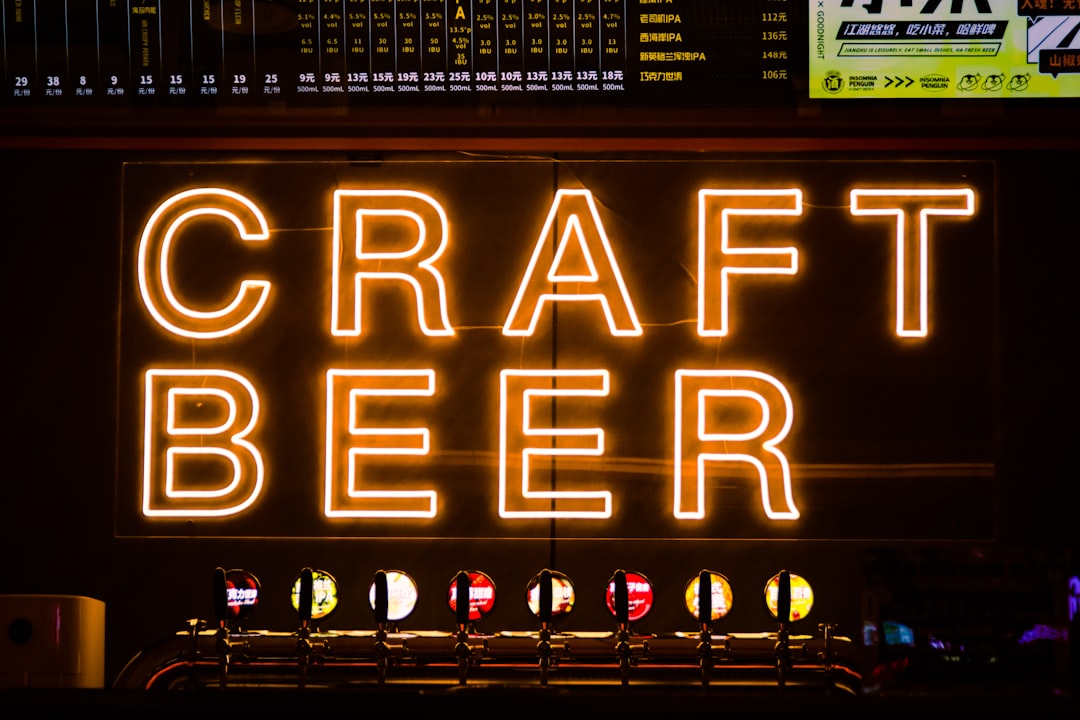
Craft beer styles explained is more than a phrase—it's the promise of a trip through landscapes of malt, hop, yeast, and imagination. This guide breaks down the major styles, why they taste the way they do, and how readers can pick bottles with confidence. It's written for craft beer lovers and casual drinkers who want clarity without the jargon—ideal for anyone browsing a site like Beer Republic to choose a new favorite.
Why Beer Styles Matter
Beer styles are shorthand: they signal what to expect from aroma, flavor, body, and alcohol. Knowing the main style groups helps readers make smarter purchases, build better tasting flights, and pair beers with food more successfully. For Beer Republic customers, understanding styles turns a browsing session into a targeted discovery: they can find the hop-forward IPA, the silky imperial stout, or a bright farmhouse ale that pairs with dinner.
Beer Basics: Ingredients and How They Shape Style
Four ingredients make most beer: water, malted barley (and sometimes other grains), hops, and yeast. Each plays a role in the final product.
- Malt provides fermentable sugars and contributes color, sweetness, and body. Pale malts make lighter beers; roasted malts create chocolatey or coffee notes in darker styles.
- Hops add bitterness, aroma, and flavor—citrus, pine, floral, resinous, or tropical—depending on the hop variety and timing of additions.
- Yeast is crucial. Ale yeasts ferment warmer and often impart fruity or spicy esters. Lager yeasts ferment cooler and produce a cleaner, crisper profile. Wild yeasts and bacteria (used in sours and spontaneous fermentations) give funky, tart, or barnyard qualities.
- Water influences mineral balance and mouthfeel. Historical water chemistry shaped regional beer styles—soft water favored delicate lagers, hard water supported hoppy ales or dark beers.
Ales vs Lagers: The Two Big Families
The most useful first split is between ales and lagers, which is determined primarily by yeast and fermentation temperature.
Ales
Ales use top-fermenting yeast strains that work warmer (60–75°F / 15–24°C). They tend to have more fruity and spicy esters, and include a vast array of styles from pale ales to imperial stouts. Many craft brewers favor ales for their expressive yeast and hop profiles.
Lagers
Lagers use bottom-fermenting yeasts and ferment cooler (about 45–55°F / 7–13°C). The result is often cleaner, crisper beers with subtle malt complexity. Classic lagers include pilsners and amber lagers; modern craft brewers also experiment with hoppy lagers and barrel-aged lagers.
Core Craft Beer Styles Explained—What to Expect and Why
Below are the major styles craft drinkers encounter, grouped roughly by family. Every style has room for interpretation, especially in the craft scene, but these descriptions provide reliable expectations for aroma, taste, appearance, and food pairings.
India Pale Ale (IPA)
IPAs are the poster children of American craft beer. They’re hop-forward, with bitterness balanced against malt. Substyles include:
- West Coast IPA — Crisp, clear, and bitter with pine, resin, and citrus hop character.
- New England IPA (NEIPA) / Hazy IPA — Soft, juicy, and aromatic with tropical fruit hop character, low perceived bitterness, and a hazy appearance due to suspended proteins and oils.
- Double / Imperial IPA — Higher alcohol and bigger hop presence; intense flavors and fuller body.
- Session IPA — Lower ABV but still hop-forward; drinkable and flavorful.
Pair IPAs with spicy foods, rich cheeses, and grilled meats. NEIPAs go surprisingly well with creamy dishes thanks to their softer bitterness.
Pale Ale and Amber Ale
Pale ales (like American Pale Ale) are balanced beers with noticeable hop character but more malt backbone than IPAs. Amber ales lean maltier, offering caramel or toffee notes. Both are great gateway beers for people transitioning from mainstream lagers.
Porter and Stout
These dark ales use roasted malts to create coffee, chocolate, and roasted flavors, but they differ in history and emphasis.
- Porter — Often lighter-bodied than stouts, with dark chocolate and roasted malt notes.
- Stout — From dry stouts (think espresso dryness) to imperial stouts (high ABV, rich, sometimes barrel-aged with chocolate, dark fruit, and oak notes).
Pair with chocolate desserts, smoked meats, or strong cheeses. Barrel-aged stouts can be sipped like a dessert wine.
Wheat Beers
Wheat beers include Hefeweizen (German) and American wheat ales. Hefeweizens often have banana and clove esters from yeast, plus a silky mouthfeel. American wheat beers may be lighter and often feature citrus or spice additions.
These beers pair nicely with lighter fare—seafood, salads, and cheeses—and are especially refreshing in warm weather.
Belgian Styles: Saisons, Tripels, Dubbels
Belgian beers are yeast-driven, often showcasing complex esters and phenolics:
- Saison / Farmhouse Ale — Dry, peppery, and sometimes funky; designed for refreshing farmhouse drinking.
- Dubbel — Rich, malty, with dark fruit notes like raisin and plum.
- Tripel — Golden, strong, spicy, and often deceptively drinkable given the higher ABV.
These work well with roasted meats, spicy cuisine, or hearty stews.
Sour Beers and Wild Fermentations
Sours are intentionally tart and can range from gently puckering to wildly acidic. Methods include kettle souring and spontaneous fermentation. Common types:
- Gose — Tart, slightly salty, often with coriander.
- Lambic (e.g., Gueuze, Kriek) — Belgian spontaneous fermentations with complex funk and fruit variants.
- Berliner Weisse — Low ABV, tart, often served with flavored syrups.
Sours pair well with fatty foods (the acidity cuts through richness) and desserts. They're also good palate cleansers between courses.
Pilsner and Other Lagers
Pilsners are pale, crisp, and hoppy (in a noble-hops, spicy way) when compared to many ales. There are regional variations:
- Czech / Bohemian Pilsner — Softer water, breadier malt, floral hops.
- German Pilsner — Dryer and crisper, with more assertive hop bitterness.
- American Lagers / Hoppy Lagers — Craft brewers sometimes add modern hop varieties for a hybrid flavor profile.
Lagers are food-friendly and versatile—great with lighter meats, salads, or simply as a sessionable go-to.
Brown Ales and Märzen / Amber Lagers
Brown ales (English or American) and amber lagers/märzen provide nutty, caramel, and bready notes. They’re approachable and pair well with grilled foods, roasted vegetables, and burgers.
Specialty & Experimental Categories
Craft beer thrives on experimentation. A few contemporary trends include:
- Barrel-aged Beers — Aged in whiskey, wine, or rum barrels to add oak, vanilla, and boozy complexity.
- Pastry Stouts — Dessert-forward stouts with lactose, cocoa, vanilla, and other additions.
- Hybrid Styles — Brewers blend traditions (e.g., hop-forward lagers, Brett-fermented IPAs) to create novel experiences.
- Low-ABV and Non-Alcoholic Craft — Growing focus on sessionability and inclusivity.
These styles reward exploration and often show up in limited releases—something craft-focused retailers like Beer Republic highlight through seasonal collections and curated boxes.
How to Taste Like a Pro (Without the Pretense)
Tasting beer is about paying attention to five elements: appearance, aroma, flavor, mouthfeel, and finish. A simple method helps readers get the most from each sip.
- Look — Note color, clarity, and head retention. A hazy NEIPA isn’t a fault; it’s a feature.
- Smell — Swirl gently and nose the beer. Identify hops, malt, yeast, and any adjuncts (fruits, spices, oak).
- Taste — Take a medium sip and let it coat the mouth. Note sweetness, bitterness, acidity, and any fruit or roast notes.
- Feel — Temperature and carbonation affect body and perceived bitterness. Is it thin, silky, carbonated, or oily?
- Finish — Think about aftertaste. Does the bitterness linger? Is there a clean finish or a complex, evolving aftertaste?
Keeping a tasting notebook or using an app helps craft beer fans track preferences and remember standout bottles ordered from Beer Republic.
ABV, IBU, and Balance—What the Numbers Mean
Numbers on labels help but don’t tell the whole story.
- ABV (Alcohol By Volume) measures strength. Higher ABV often brings warming sensation and fuller body.
- IBU (International Bitterness Units) gauges bitterness from hops, but perception changes with malt sweetness—an 80 IBU beer can seem less bitter if it's balanced by rich malt.
Balance is the real secret: great beers marry malt, hops, yeast, and alcohol so no single element overwhelms unless the style intends to (e.g., imperial beers).
Food Pairing Basics
Matching beer and food is fun and flexible. A few simple rules improve results:
- Match intensity—pair delicate dishes with lighter beers and bold dishes with robust beers.
- Use contrast—a tart sour cleanses a fatty palate; a bitter IPA balances spicy foods.
- Look for complementary flavors—chocolate stouts with dark dessert, citrusy saisons with grilled fish.
Beer Republic’s curated collections sometimes include pairing suggestions, making it easier for shoppers to assemble a tasting flight or dinner lineup.
Serving, Glassware, and Temperature
Serving a beer correctly accentuates its best traits.
- Glassware — Tulip and snifter glasses concentrate aromas for strong ales and stouts. Pilsner glasses show off carbonation and color. Pint glasses are casual and versatile.
- Temperature — Cooler for lagers (about 38–45°F / 3–7°C), slightly warmer for ales (45–55°F / 7–13°C). Very aromatic beers benefit from a few degrees of warmth.
- Pouring — Aim for a 1–2 inch head to release aromas; adjust pour for style—gentle for hoppy beers to preserve aroma, more vigorous for wheat beers to boost head.
How to Choose Beer Online: A Shopper’s Checklist
When browsing an online shop like Beer Republic, a few tricks help narrow the field:
- Start with style knowledge—if readers know they like hazy IPAs or barrel-aged stouts, filters make discovery faster.
- Read tasting notes—look for keywords like “juicy,” “resinous,” “roasty,” or “funky.”
- Check ABV and serving size—imperial styles are great for sharing, session beers for longer evenings.
- Look for release dates—especially important for hoppy beers and saisons where freshness matters.
- Try curated packs—samplers and themed boxes are a low-risk way to taste across a style spectrum.
Beer Republic makes this simple with style filters, staff picks, and fast shipping across the USA and Canada—handy for buyers who want to try new styles quickly.
Building a Tasting Flight at Home
A flight helps compare styles back-to-back. A typical flight might include:
- A crisp pilsner or light lager (to start clean)
- A pale ale or session IPA (for moderate hops)
- A hazy IPA or double IPA (for jammy hops)
- A brown ale or porter (malt-forward)
- An imperial stout or barrel-aged beer (dessert rounding)
- A sour or farmhouse ale (finish with brightness)
Use small pours (3–5 oz) and cleanse the palate with water and plain crackers between samples. Flights can be tailored to themes—hop-forward, barrel-aged, or regional showcases (Pacific Northwest IPAs, West Coast classics, etc.).
Homebrewing and Style Exploration
Many craft drinkers enjoy homebrewing as a way to learn styles hands-on. Brewing a simple pale ale teaches about hop timing and malt balance; trying a lager requires temperature control but educates the brewer on cleaner yeast character. Local homebrew shops and online communities provide kit recommendations and recipes.
For those not brewing, supporting local craft breweries—through Beer Republic’s selection of local American and Canadian producers—lets enthusiasts taste experimental releases and seasonal styles without the time commitment of brewing.
Cellaring and Aging Beer
Not all beers benefit from aging. Here’s a quick guide:
- Age well — High-ABV, malt-forward beers (imperial stouts, barleywines), and some barrel-aged beers develop complexity over time.
- Drink fresh — Hoppy beers like IPAs and many saisons are best fresh to enjoy volatile hop aromatics.
- Store properly — Keep bottles upright, cool (50–55°F / 10–13°C for cellaring), and dark.
Common Myths and Misconceptions
- Myth: Dark beers are always stronger. Reality: Color comes from roasted malts, not alcohol content.
- Myth: Higher IBU always means more bitterness. Reality: Malt balance and ABV affect perceived bitterness.
- Myth: Beer ages like wine. Reality: Only certain beer styles benefit from aging, and the window is narrower than most wines.
Practical Recommendations for Different Drinkers
To make exploration approachable, here are style suggestions tailored to different preferences:
- For the lager lover branching out: Try a crisp pilsner, then a Munich Helles, and finally a hop-forward lager.
- For the hop-curious: Start with an American Pale Ale, move to a NEIPA, then a West Coast IPA to compare juiciness vs. bitterness.
- For dessert fans: Sample a milk stout, a pastry stout, and an imperial stout—look for chocolate and vanilla notes.
- For adventurous drinkers: Try a gueuze, a mixed-fermentation saison, and a barrel-aged sour.
Beer Republic’s curated collections and staff picks are useful shortcuts: they gather representative beers across styles, highlight seasonal releases, and make it easy to try different categories in small quantities.
"Try beers side-by-side to see how hop varieties and yeast change everything—it's the fastest way to learn what a style truly means."
Glossary: Quick Definitions
- ABV — Alcohol by volume, measures ethanol percentage.
- IBU — International Bitterness Units, theoretical bitterness from hops.
- Esters — Fruity or floral compounds produced by yeast.
- Phenolics — Spicy, clove-like flavors from certain yeast strains.
- Brettanomyces (Brett) — Wild yeast used for funk and complexity in farmhouse ales and sours.
Final Thoughts: Where to Go from Here
Understanding craft beer styles explained helps readers shop smarter, taste more intentionally, and appreciate the craft behind every bottle. Whether someone seeks the hop-forward punch of an IPA, the roasty comfort of a stout, or the zippy brightness of a sour, there’s always more to explore.
Beer Republic supports that exploration with a curated selection of top-rated American and Canadian craft beers, quick shipping, and helpful filters for style, ABV, and region. For shoppers who want curated discovery, their seasonal collections and sampler packs reduce decision fatigue and deliver fresh, interesting choices right to the door.
Ultimately, the best way to learn is to taste broadly, ask questions, and take notes. Beer styles are living categories—brewers reinterpret them constantly—so the adventure never ends. Cheers to discovering the next noteworthy beer.
Frequently Asked Questions
What exactly defines a beer style?
A beer style is a set of commonly accepted characteristics—aroma, flavor, color, alcohol level, and brewing tradition—that lets drinkers anticipate what a beer will taste like. Styles evolve over time as brewers experiment, but the core traits remain a helpful guide.
How important is freshness for hoppy beers?
Very important. Hop aromatics are volatile and fade over weeks to months. For IPAs and other hop-forward beers, fresher bottles usually provide more vibrant aroma and flavor—check packaging dates and buy from retailers that move stock quickly.
Can a lager be considered a craft beer?
Absolutely. Craft beer refers to how a beer is produced—typically by smaller, independent breweries focusing on flavor and quality. Lagers can be crafted with as much creativity and care as ales; many craft brewers are making innovative lagers today.
Are sour beers naturally higher in alcohol?
Not necessarily. Sourness is about acidity from bacteria or wild yeast, not alcohol content. Berliner Weisse is low in alcohol but very tart; lambics and some barrel-aged sours can be higher in ABV.
How should someone build a tasting flight for a party?
Choose 4–6 beers that progress from light to intense: start with a pilsner or pale ale, then a more hop-forward beer, a malt-forward beer like a porter, a bold imperial stout or barrel-aged selection, and finish with a sour or farmhouse ale. Offer small pours and palate cleansers like water and plain crackers.
