
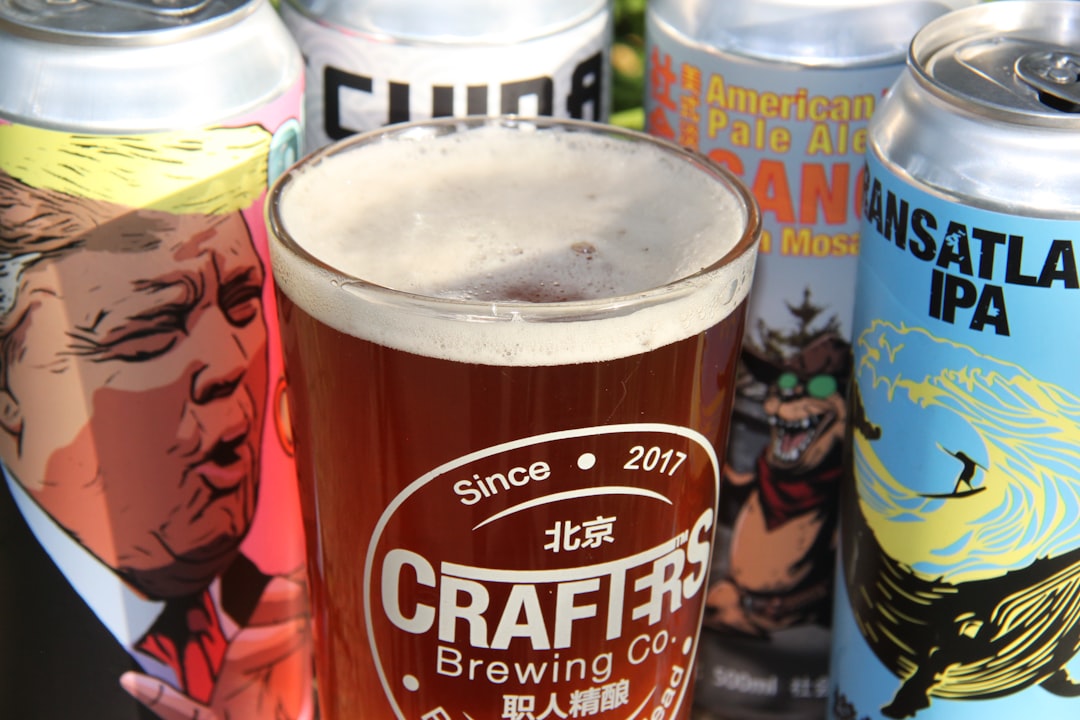
Craft beer style overview is the starting point for anyone who wants to explore the diversity of modern brewing—from crisp pilsners to velvety pastry stouts. This guide breaks down the major families of craft beer, explains how styles are defined, offers tasting and pairing tips, and points the way toward discovering new favorites through curated shops like Beer Republic, which specializes in top-rated American and Canadian brews with fast shipping and helpful collections.
What Is Craft Beer?
At its simplest, craft beer refers to beer produced by small, independent breweries that prioritize flavor, innovation, and quality ingredients. Unlike mass-produced lagers where consistency and scale drive decisions, craft brewers experiment with hops, yeast strains, malts, adjuncts (think fruit, spices, coffee), and aging methods to create distinctive beers. The result is a landscape of styles—some rooted in centuries-old traditions, others new hybrids born of modern creativity.
How Beer Styles Are Defined
Beer styles are shorthand: they describe expected color, aroma, taste, body, alcohol, and bitterness. Brewers use several variables to create those profiles.
- Ingredients — malt (sweetness, color), hops (aroma, bitterness), yeast (flavor, esters), and water (mineral content) shape the base.
- Yeast Strain — an ale yeast (top-fermenting) tends to produce fruitier esters; lager yeast (bottom-fermenting) yields cleaner profiles.
- Fermentation Temperature — warmer ales often make bolder flavors; cool lagers offer crispness.
- Original Gravity (OG)/Final Gravity (FG) — the sugar content before and after fermentation; these determine body and perceived sweetness.
- ABV (Alcohol by Volume) — sets potency and sometimes warmth in the finish.
- IBU (International Bitterness Units) — a guide to bitterness; perception depends on malt balance.
- Color (SRM) — measured in Standard Reference Method units; pale beers are lower, dark stouts higher.
Because these variables interact, two beers with the same IBU can taste very different if malt and alcohol vary. Styles are flexible—brewers often bend rules to create something new.
Major Craft Beer Families
For a functional craft beer style overview, it helps to group styles into families. This makes it easier to navigate a store, taproom, or Beer Republic collection when hunting for a new favorite.
Ales vs. Lagers
The primary split in beer is between ales and lagers. Ales ferment at warmer temperatures with top-fermenting yeast, producing fruitier, sometimes hoppier beers. Lagers ferment cooler with bottom-fermenting yeast, creating crisper, cleaner flavors. Both families contain dozens of styles.
Popular Ale Styles
American Pale Ale (APA)
Profile: Balanced malt backbone with prominent American hop aroma—citrus, pine, floral. ABV typically 4.5–6.5%.
- Food Pairing: Burgers, grilled chicken, sharper cheeses.
- Serving: 45–50°F in a tulip or pint glass.
- Why Try It: A great first step from macro lagers toward more hop-forward beers.
India Pale Ale (IPA)
Profile: A broad family. Key variants include:
- West Coast IPA — clear, bitter, piney/resiny hops.
- New England IPA (NEIPA) — hazy, juicy, softer bitterness, tropical hop aromatics.
- Double/Imperial IPA — higher ABV (7.5–10%+), amplified hop character and malt support.
- Session IPA — lower ABV (often under 5%), still hoppy but more drinkable over several pints.
Food Pairing: Spicy food, fried chicken, strong-salmon sashimi. Serving temp: 45–50°F. IPAs are central to American craft beer culture—expect constant reinterpretation.
Amber/Red Ale
Profile: Caramel and toasty malt notes with moderate hop character. ABV 4.5–6.5%.
- Pairing: Pizza, BBQ ribs, roasted vegetables.
- Why It Works: A middle ground for drinkers wanting malt flavor without heavy roast.
Brown Ale
Profile: Nutty, toffee, light roast; lower bitterness. ABV 4–6%. Great for comfort drinking and beers with malt-forward character.
Porter and Stout
Profile: Dark, roasted flavors. Distinctions can blur—porters are often slightly lighter and more chocolatey; stouts push roast and coffee flavors. Variants include dry stout, oatmeal stout, milk stout, and imperial stout (higher ABV, often barrel-aged).
- Pairing: Chocolate desserts, smoked meats, blue cheese.
- Serving: Slightly warmer (50–55°F) to reveal roasted aroma.
Belgian Styles
Profile: Yeast-driven complexity—spicy, fruity esters and phenolics. Popular Belgian styles embrace tradition:
- Witbier — wheat, coriander, orange peel; light and refreshing.
- Saison — farmhouse ale; peppery, citrusy, effervescent.
- Dubbel/Tripel — richer, malty, higher alcohol and complexity.
Sours and Wild Ales
Profile: Deliberately tart—can range from lightly sour to puckering. Techniques include kettle souring and mixed fermentation with lactobacillus, pediococcus, or brettanomyces.
- Variants: Berliner Weisse, Gose (often salty and coriander-spiced), Flanders Red (vinous, aged in barrels), fruit sours.
- Pairing: Acidic cheeses, seafood, fruit desserts.
Wheat Beers
Profile: Brewed with a significant percentage of wheat for soft mouthfeel and creamy head. Hefeweizen features banana and clove yeast esters; American wheat tends to be cleaner.
Popular Lager Styles
Pilsner
Profile: Light color, pronounced hop bitterness (especially Czech vs. German vs. American interpretations). Crisp and refreshing. ABV 4.5–5.5%.
- Pairing: Light seafood, salads, fried foods.
Vienna and Märzen (Oktoberfest)
Profile: Amber lagers with toasty malt sweetness and soft hop presence. Märzen is the traditional Oktoberfest pour—malt-forward and clean.
Dark Lagers and Dunkel
Profile: Smooth roasted malt flavors without aggressive roast; easy-drinking with depth.
Modern Hybrids and Trendy Styles
Today's craft scene is fluid. Brewers experiment with adjuncts, aging, and crossbreeding styles. A few notable trends:
- Hazy/New England IPAs that focus on aroma and juicy hop character over bitterness.
- Milkshake Stouts — lactose and fruit or vanilla create dessert-like beers.
- Fruited Sours and Pastry Stouts — heavy on adjuncts for dessert flavors.
- Low-ABV Craft — sessionable styles that keep flavor but reduce alcohol.
- Barrel-Aged Beers — stouts, sours, and strong ales aged in whiskey, wine, or rum barrels for complexity.
Reading a Beer Label: What Matters
Shoppers should read a beer label like a mini road map:
- Style — instant hint at flavor expectations.
- ABV — affects body and warming sensation.
- IBU — relative bitterness. Higher numbers usually mean more bitter, but balance matters.
- Freshness Date / Bottled On — especially important for hoppy beers like IPAs; hops fade with time.
- Ingredients — fruit, adjuncts, or barrel aging notes reveal uniqueness.
- Origin — region gives context (e.g., Canadian craft often emphasizes lagers and approachable styles; certain US regions are famous for hazy IPAs).
Online retailers like Beer Republic simplify this: filters by style, ABV, region, and curated collections (seasonal, taproom favorites, limited releases) help narrow choices. Their product pages often include tasting notes and food pairing suggestions to guide selection.
How to Taste Craft Beer Like an Enthusiast
Tasting beer well is simple and rewarding. The process reveals subtleties and helps refine preferences.
- Choose the Right Glass — a tulip or snifter concentrates aroma; a pint is fine for simpler styles.
- Observe Appearance — color, clarity, head retention. Note whether haze is intentional (NEIPAs) or a flaw.
- Smell Deeply — aroma is 80% of taste. Look for hop notes (citrus, pine, tropical), malt notes (caramel, toast), and yeast esters (banana, clove).
- Take a Small Sip — let the beer coat the tongue. Notice sweetness, bitterness, acidity, and texture.
- Consider Mouthfeel — body, carbonation, creaminess, astringency.
- Note the Finish — length and aftertaste. Does it leave hop bitterness, dryness, or residual sweetness?
Keeping a tasting journal helps track evolving preferences: date, beer name, style, ABV, and three words to describe it. Over time, readers will notice patterns: favorites lean toward certain hop profiles, malt-forward beers, or high-ABV barrel-aged complexity.
Creating a Tasting Flight
Curating a four- to six-beer flight is a great way to compare styles. An effective flight moves from light to heavy and low to high bitterness:
- Light lager or pilsner (clean baseline)
- Wheat or witbier (soft, yeast character)
- American pale ale (moderate hops)
- IPA (hoppy focus)
- Porter or stout (roasty/dark)
- Barrel-aged or imperial stout (showcase complexity)
Between tastings, a palate cleanser—water or plain crackers—prevents flavor fatigue. Beer Republic's curated flight packs and sampler collections can simplify building such a flight for home tasting.
Food Pairing Essentials
Pairing beer with food follows similar logic to wine pairings, but with more flexibility. A few general rules:
- Match intensity — light dishes with light beers, bold dishes with bold beers.
- Think about contrasts — hoppy bitterness cuts through fatty, rich foods; sweet malty beers balance spicy heat.
- Complement flavors — roasty beers highlight chocolate and coffee; tart sours brighten fatty fish or creamy cheeses.
Examples:
- IPA + spicy curry or buffalo wings
- Stout + chocolate cake or blue cheese
- Pilsner + fish tacos or sushi
- Saison + herb-roasted chicken or charcuterie
- Gose + oysters or ceviche
Buying Craft Beer Online: Practical Tips
For many drinkers, online shops are the easiest way to access a wide range of American and Canadian craft beers—especially limited releases or regional favorites. When shopping, the informed buyer looks for:
- Freshness Information — canned-on or bottled-on dates for hoppy beers.
- Clear Style and Tasting Notes — helps set expectations.
- Shipping Practices — fast shipping, temperature control for delicate selections, and reliable packaging.
- Curated Collections — sampler packs, seasonal lists, and staff picks make exploration easier.
- Customer Reviews — practical insights from fellow drinkers.
Beer Republic fits this model: the site focuses on American and Canadian craft beers, provides style filters and curated collections (e.g., "Best West Coast IPAs," "Canadian Microbrews"), and offers fast shipping that keeps freshness intact. For enthusiasts tracking hop-forward beers, checking for packaged-on dates and ordering from a retailer with quick delivery preserves the intended aroma and flavor.
Trends Shaping Craft Beer
Craft beer evolves rapidly. Here are trends shaping what appears on tap or in limited-release cans:
- Haze and Juiciness — NEIPAs sparked a broad interest in softer bitterness and aromatic hop blends.
- Ingredient-Driven Beers — pastry stouts and fruited sours prioritize dessert-like profiles that attract crossover drinkers.
- Lager Renaissance — many craft brewers are rediscovering lagers, using modern yeast techniques for nuanced takes on classic styles.
- Low- and No-Alcohol Options — better-tasting non-alcoholic beers allow inclusion without sacrifice.
- Barrel Aging and Mixed Fermentation — crossovers with wine and spirits production continue to produce complex, age-worthy beers.
Homebrewing Basics for the Curious
Many craft beer fans take the next step into homebrewing. Beginner-friendly approaches include extract brewing, which uses malt extract instead of all-grain methods. Core considerations:
- Starter Kit — fermenter, airlock, sanitizer, siphon, and bottles or kegs.
- Yeast — ale strains are forgiving for beginners; lager yeast requires cooler fermentation control.
- Sanitation — the most important step; contamination ruins batches quickly.
- Basic Recipes — pale ale, stout, and IPA extract kits teach the foundations before tackling all-grain recipes.
Homebrewing mirrors the craft-brewing spirit: experimentation and a willingness to learn. Many local brew shops and online communities offer recipes, troubleshooting, and club meetups—great resources for newcomers.
Storage and Serving Tips
Freshness matters. A few rules keep beer tasting as intended:
- Store Cool and Dark — heat and light degrade hops and cause skunky off-flavors.
- Keep Hoppy Beers Fresh — IPAs and pale ales are best consumed within weeks to a few months of packaging.
- Cellar Strong Ales — high-ABV, barrel-aged, and sour beers often improve with careful aging; check producer guidance.
- Mind the Glass — rinse a glass with cold water before pouring to promote a good head and release aroma.
Where to Start Exploring
For those unsure where to begin, a sensible approach is to pick one representative beer from each major family and taste side-by-side. For example:
- Pilsner (lager baseline)
- American Pale Ale (entry-level hop-forward)
- NEIPA (hazy hop aromatics)
- Stout (roasty/dark)
- Saison or Belgian ale (yeast-driven complexity)
Retailers like Beer Republic make this easy: curated sampler packs, style-based collections, and staff recommendations reduce the guesswork. Their fast shipping helps ensure hop-forward beers arrive tasting as intended—an important detail for IPAs and fresh pale ales.
Practical Examples and Recommendations
Below are approachable examples that illustrate the diversity within a few style families. These aren't the only choices—merely friendly signposts for exploration.
- Gateway Hoppy Beer: An American Pale Ale with citrus hops and a balanced malt base—great for transitioning from mainstream lagers.
- Hazy First Sip: A New England-style IPA with soft bitterness, tropical fruit aroma, and a pillowy mouthfeel—often favored by craft newcomers.
- Comfort Dark: An oatmeal stout or milk stout—creamy and dessert-friendly, often approachable for those who enjoy coffee or chocolate.
- Refreshing Lager: A classic pilsner—crisp, dry, and ideal for social occasions and food pairing.
When exploring, readers should consider seasonal offerings: spring and summer favor lighter, hoppier, or fruit-accented beers, while fall and winter invite richer malts and barrel-aged complexity.
Responsible Enjoyment
Craft beer is meant to be savored. Responsible consumption keeps tasting enjoyable for everyone. A few pointers:
- Know limits and pace tastings.
- Designate a safe ride or use ride-sharing services after events.
- Store beer safely away from children and pets.
Summary
This craft beer style overview gives readers the tools to navigate shelves and tap lists with confidence. Understanding the main families—ales vs. lagers—along with popular substyles (IPAs, stouts, sours, Belgian ales, pilsners) helps identify personal preferences. Tasting techniques, pairing tips, and shopping strategies make exploration more rewarding. Retailers focused on craft beer, like Beer Republic, can accelerate the journey with curated selections, clear labeling, and fast shipping that preserves freshness.
Whether the reader prefers a hazy, tropical IPA, a crisp pilsner, or a barrel-aged imperial stout, the craft world offers something worth discovering. A thoughtful approach—sampling across families, noting preferences, and trying curated flights—turns casual curiosity into genuine appreciation.
Frequently Asked Questions
What’s the difference between an ale and a lager?
Ales use top-fermenting yeast and warmer fermentation, producing fruitier, often more complex flavor profiles. Lagers use bottom-fermenting yeast at cooler temperatures, creating cleaner, crisper beers. Many popular craft styles, from IPAs (ales) to pilsners (lagers), fall into these broad categories.
How important is the “packaged on” or “bottled on” date?
Very important for hop-forward beers (IPAs and many pale ales). Hops lose aroma and flavor over time—freshness preserves the intended citrusy, piney, or tropical notes. Dark, high-ABV beers and sour ales are often more age-stable and sometimes improve with time.
What does IBU mean, and should it be trusted as a flavor guide?
IBU stands for International Bitterness Units and measures hop-derived bitterness. It’s a technical metric: perception of bitterness depends on the beer’s malt balance, ABV, and other flavors. A high IBU usually suggests noticeable bitterness, but tasting is the true test.
How should craft beer be stored at home?
Store beer in a cool, dark place away from direct sunlight. Hoppy beers benefit from refrigeration and should be consumed fresh. High-ABV and barrel-aged beers can sometimes be cellared for aging—check producer recommendations.
Can craft beer pair well with food like wine?
Absolutely. Beer’s range of bitterness, sweetness, acidity, and carbonation offers many pairing opportunities. Hoppy beers cut through rich foods; malty beers complement roasted or sweet dishes; sours and saisons brighten seafood and salads. Experimentation often yields delightful matches.
