
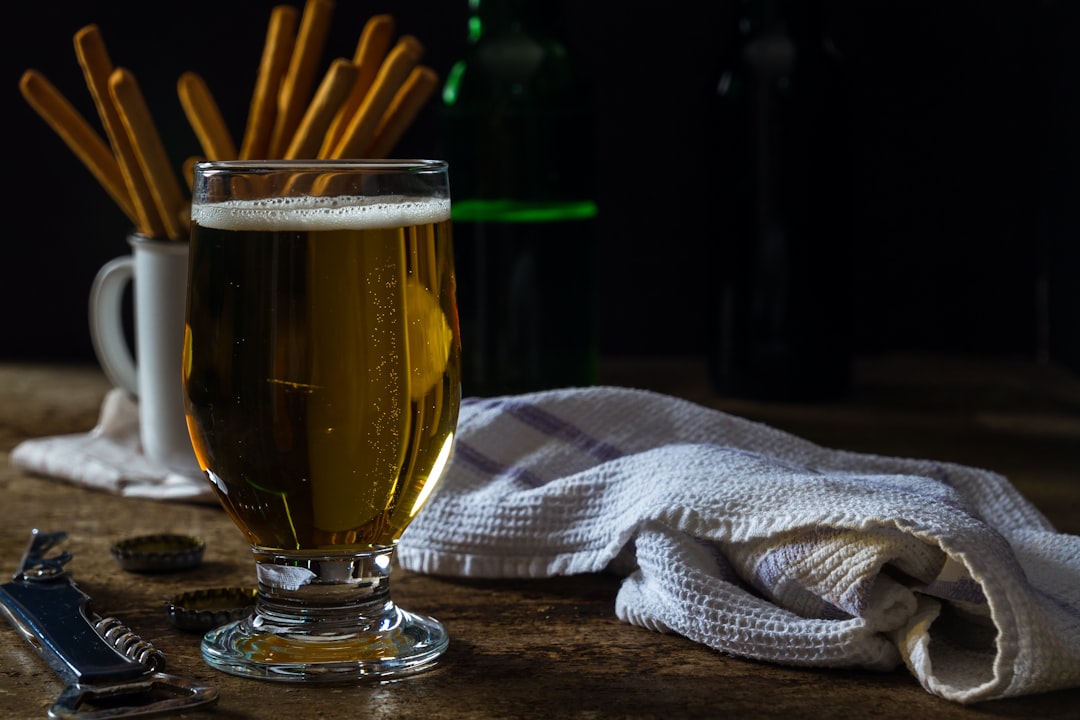
Understanding how different beers are built is the first step toward brewing better beer, tasting more deeply, and choosing exciting bottles from a shop. This beer style brewing guide lays out the ingredients, techniques, and style-specific tweaks brewers use to create everything from sessionable pale ales to big, barrel-ready barleywines. It’s written for craft beer enthusiasts and homebrewers who want practical, actionable guidance—plus a few tasting tips to spot what makes each style sing.
Why Beer Styles Matter
Beer styles are recipes plus sensory expectations. They provide a framework for ingredient choices, mash temperatures, yeast strains, hopping schedules, and fermentation temps. For homebrewers, styles help set targets—color, bitterness, alcohol level, mouthfeel, and aroma—so the brewing process can be planned with purpose rather than guesswork.
Beyond technical targets, styles guide tasting: a brewer knows when a beer is "on style" or when an off-flavor or imbalance requires troubleshooting. For drinkers, styles make it easier to explore: if someone likes hop-forward beers, pale ales and IPAs are natural next steps; if they prefer roasty, chocolate notes, stouts and porters are prime candidates.
Core Ingredients and Their Role
Malt: Body, Color, and Flavor
Malt defines the beer’s backbone. Pale malts (like 2-row) supply fermentable sugars and light bready flavors. Specialty malts—crystal/caramel, Munich, Vienna, roasted barley—add sweetness, toffee, biscuity character, color, and roast. Grain selection and kilning levels directly influence final gravity, mouthfeel, and color (measured in SRM).
Hops: Bitterness, Aroma, and Balance
Hops balance malt sweetness with bitterness and add aroma. The same hops can be used differently: early boil additions for bitterness, late additions and dry hopping for aroma. American hops (Citra, Centennial, Mosaic) tend toward citrus and tropical fruit; noble hops (Saaz, Hallertau) bring floral, spicy, and herbal notes.
Yeast: The Style Shaper
Yeast controls fermentation profile, attenuation, and character. Ale yeasts (Saccharomyces cerevisiae) ferment warmer and can contribute esters and phenolics. Lager yeasts (Saccharomyces pastorianus) ferment cooler and yield cleaner profiles. Belgian strains produce banana, clove, or pepper notes—crucial for Belgian ales and saisons.
Water: The Silent Ingredient
Water chemistry (minerals like sulfate, chloride, carbonate) subtly pushes a beer toward hop crispness or maltiness. Sulfates accentuate hop bitterness and dry finish; chlorides enhance perceived body and maltiness. Adjustments aren’t mandatory for beginners, but matching local water profile to target styles helps refine results.
Adjuncts and Extras
Fruit, lactose, oats, spices, and wood impact body, sweetness, and complexity. Oats improve mouthfeel—great for New England IPAs and oatmeal stouts. Lactose adds sweetness and body in milk stouts. Use adjuncts purposefully to support a style rather than mask problems.
The Brewing Process — Step By Step
Mash
Mashing converts starches to sugars. Typical mash temps:
- 64–66°C (147–151°F): more fermentable, drier beer (higher attenuation)
- 66–69°C (151–156°F): balanced body and fermentability
- 69–72°C (156–162°F): more dextrins, fuller mouthfeel
Brewers pick mash temps depending on desired body: a pilsner uses a lower mash temp for a dry finish; a barleywine uses a higher mash temp for richness.
Boil and Hopping
Boil time (typically 60–90 minutes) sanitizes wort and develops hop isomerization. Bittering hops go early; flavor hops mid-boil; aroma hops late or at flameout; dry hops provide intense aroma without adding bitterness.
Fermentation
Fermentation temperature is arguably the most crucial variable. A typical ale yeast range is 18–22°C (65–72°F); lagers ferment at 8–13°C (46–55°F). Higher temps often produce fruity esters; cooler temps produce cleaner profiles. Controlling fermentation pace and temperature prevents off-flavors like fusel alcohols.
Conditioning and Packaging
Cold conditioning (lagering) clarifies and mellows flavors, important for lagers and pilsners. Carbonation level affects perception—lower carbonation suits English ales, higher carbonation suits Belgian styles. Proper bottling/kegging hygiene and carbonation target are essential for a stable product.
Beer Style Brewing Guide — Style Profiles and Practical Tips
The following profiles focus on what defines each style, practical brewing tips, typical numbers (OG, ABV, IBU, SRM), and common pitfalls to avoid.
American Pale Ale (APA)
Profile: Balanced malt backbone with prominent American hop character—citrus, pine, floral. Sessionable to moderate strength.
- OG: 1.045–1.060 | ABV: 4.5–6.2%
- IBU: 30–50 | SRM: 5–14
- Yeast: Clean American ale strains
Brewing tips: Use a single pale malt base with 5–10% crystal for color and body. Hop early and late to balance bitterness and aroma. Avoid overmashing high temperatures that lead to a heavy body for what should be a crisp, drinkable beer.
India Pale Ale (IPA) — Substyles
IPAs vary wildly; the key is hop intensity, bitterness, and aroma.
American/West Coast IPA
- OG: 1.055–1.075 | ABV: 5.5–7.5%
- IBU: 50–80 | SRM: 6–14
- Character: Clearer, bitter, pine/citrus hop profile
Tip: Use late kettle whirlpool hops and dry hop sparingly if clarity is desired. A higher sulfate chloride ratio helps hops pop.
New England / Hazy IPA
- OG: 1.060–1.080 | ABV: 6–8%
- IBU: 30–50 (perceived bitterness is lower) | SRM: 3–7
- Character: Juicy, soft mouthfeel, heavy late hopping and dry hopping
Tip: Use high-protein adjuncts like flaked oats and wheat, fresh hoppy additions, and low-temp biotransformation fermentation to maximize fruity hop esters. Beware of oxidation—NEIPAs age quickly and lose aroma.
Stout
From dry Irish stouts to rich imperial stouts, roasty malt character dominates.
- Dry Stout OG: 1.036–1.050 | ABV: 4–6% | IBU: 30–45 | SRM: 30–40+
- Imperial Stout OG: 1.090+ | ABV: 8–12%+
Tip: Roasted barley and chocolate malts contribute bitterness and dark color. Watch mash pH (roasted grains can push pH down); a higher mash temp adds fullness. For imperial stouts, oxygen management after primary fermentation is critical—oxygen can cause stale flavors in high-alcohol beers.
Porter
Less roasty than stouts with chocolate and toffee notes.
- OG: 1.048–1.060 | ABV: 4.5–6.5% | IBU: 20–40 | SRM: 20–30
Tip: Use a mix of pale malt, brown malt, and crystal to get rich malt character without excessive roast bitterness. Keep the roast additions measured to avoid acrid sensations.
Pilsner and Lagers
Pilsners (Czech/German) are about clean, noble hop bitterness and a crisp finish. Lagers, broadly, are clean and smooth.
- Pilsner OG: 1.044–1.056 | ABV: 4.5–5.5% | IBU: 25–40 | SRM: 2–6
Tip: Use soft water or treat water to soften carbonate hardness. Cold fermentation and extended lagering (weeks to months) are non-negotiable for clarity and flavor profiling. Use a decoction or step mash for traditional pilsner malt complexity, but modern systems can get away with single infusion and high-quality Pils malt.
Wheat Beers (Hefeweizen, Witbier)
Wheat beers are light, bready, and often have estery and spicy phenolic notes.
- Hefeweizen OG: 1.048–1.056 | ABV: 4.5–5.5% | IBU: 8–18 | SRM: 3–8
- Witbier OG: 1.044–1.052 | ABV: 4–5.5% | IBU: 10–20 | SRM: 2–6
Tip: Use 50%+ wheat malt for Hefeweizen. Choose a yeast strain that produces banana (isoamyl acetate) and clove (4-vinyl guaiacol) characteristics. For witbier, add coriander and orange peel sparingly; it's about balance, not heavy spices.
Saison
Farmhouse ale with peppery phenolics and dry finish—often brewed for warm fermentation character.
- OG: 1.048–1.062 | ABV: 5–8% | IBU: 20–35 | SRM: 4–7
Tip: Saison yeasts perform well at warmer temps and develop complex esters. Keep the grain bill simple and let yeast shine. Consider bottle conditioning for lively carbonation.
Belgian Ales (Dubbel, Tripel)
Belgian styles use sugar adjuncts and distinctive yeast strains for fruity and spicy character.
- Dubbel OG: 1.062–1.075 | ABV: 6–7.6% | IBU: 15–25
- Tripel OG: 1.075–1.085 | ABV: 7.5–10% | IBU: 20–40
Tip: Add sugar (candi sugar or table sugar) to lighten body while boosting ABV in tripels. Let Belgian yeast produce phenolic and ester complexity; avoid too-low fermentation temps that mute those characters.
Sours and Wild Ales (Berliner Weisse, Gose)
Sour beers are defined by tartness and, in the case of gose, a touch of salt and coriander.
- Berliner Weisse OG: 1.028–1.044 | ABV: 2.8–3.8% | IBU: 3–8
- Gose OG: 1.034–1.048 | ABV: 4–5% | IBU: 5–12
Tip: Short-sour methods use lactobacillus in a pre-boil souring step; kettle souring is fast and controllable. For mixed-fermentation wild ales, schedule a long farmhouse-style aging program and expect more variability.
Brown Ale and Amber/Red Ale
These malt-focused styles offer nutty, caramel, and toasty notes—great entry points for malt lovers.
- OG: 1.046–1.060 | ABV: 4.3–6.2% | IBU: 15–30 | SRM: 12–18
Tip: Use Crystal malts for caramel sweetness; maintain moderate bitterness to keep drinkability. Brown ales benefit from cold conditioning to smooth flavors.
Barleywine
Big, intense, often barrel-aged beers with layered malt complexity and high alcohol.
- OG: 1.090–1.120 | ABV: 8–12%+ | IBU: 60+ | SRM: 8–22
Tip: Plan long aging and oxidation control. Consider blending older and younger barrels for balanced complexity. Use highly attenuative yeast and consider adding oak or bourbon barrels for depth.
Recipe Templates — Practical Starting Points
Below are reliable templates for a standard 5-gallon (19 L) batch that a homebrewer can modify.
Simple American Pale Ale (5 gal)
- Grain: 9.5 lb (4.3 kg) 2-row malt, 1 lb (0.45 kg) crystal 40L
- Hops: 1 oz Cascade (60 min), 0.5 oz Cascade (15 min), 1 oz Mosaic (flameout), 2 oz Mosaic (dry hop 3–5 days)
- Yeast: American ale yeast, 68°F (20°C)
- Mash: 152°F (67°C) 60 min
- OG: ~1.052 | ABV: ~5.2% | IBU: ~40
New England IPA (5 gal)
- Grain: 9 lb pale malt, 1.5 lb flaked oats, 1 lb wheat malt, 0.5 lb light crystal
- Hops: Minimal boil hops; heavy late additions (whirlpool 1–2 oz each of Citra/Mosaic/Simcoe) + 4–6 oz total dry hop
- Yeast: English or Vermont strain, 64–68°F (18–20°C)
- Mash: 152°F (67°C)
- OG: 1.065–1.075 | ABV: 6–8% | IBU: 30–40
Pilsner (5 gal)
- Grain: 9–10 lb Pilsner malt
- Hops: Saaz/Hallertau—60 min bittering, late addition for aroma
- Yeast: Lager strain, cold ferment 48–55°F (9–13°C), then lager 2–6 weeks
- Mash: 148–152°F (64–67°C)
- OG: 1.046–1.050 | ABV: 4.5–5% | IBU: 30–40
Advanced Techniques and Troubleshooting
Dry Hopping and Biotransformation
Dry hopping imparts aroma without extra bitterness, while biotransformation (keeping hops in contact with active yeast) can convert hop compounds into juicier aromatics. For NEIPAs, adding dry hops during active fermentation helps develop juicy notes but increases risk of vegetal character if done too early.
Cold Crash and Clarification
Cold crashing (bringing beer near 32–40°F/0–4°C for 24–72 hours) helps proteins and yeast drop out. Fining agents (Irish moss, gelatin, isinglass) speed the process for clearer beers—important for lagers and many export styles.
Oxygen and Aging
Oxygen is beneficial before fermentation but harmful after. For higher ABV beers and hoppy styles, minimize oxygen pickup when transferring, bottling, or kegging. Use CO2 for purging vessels and gentle transfers to preserve freshness.
Common Off-Flavors and Fixes
- Diacetyl (buttery): Caused by yeast stress or early cold crash; allow diacetyl rest at 60–68°F (16–20°C) for 24–48 hours.
- DMS (cooked corn): Underboiling or insufficient wort cooling; ensure a vigorous boil and quick chill.
- Phenolic (medicinal/clove where not desired): Contamination or wild yeast/ bacteria or certain yeast strains; sanitize well and choose proper yeast.
- Oxidation (cardboard/stale): Too much oxygen post-fermentation; minimize splashing and package promptly.
Tasting, Serving, and Pairing
Sensory skills separate a casual drinker from a curious connoisseur. When tasting, consider appearance, aroma, flavor, mouthfeel, and aftertaste. Use appropriate glassware: tulip or snifter for strong ales, pint for pale ales, and a tall pilsner glass for lagers.
Water temperature matters: lagers are best slightly colder (38–45°F/3–7°C), while big stouts and barleywines show complexity around 50–55°F (10–13°C). Pairing follows these simple rules: match intensity, contrast flavors (salty snacks with hoppy beers), and consider regional traditions—sausages with German lagers, rich desserts with imperial stouts.
Learning By Tasting — Using Beer Republic As a Resource
Trying many commercial examples helps clarify what the target style should taste like. Beer Republic’s wide selection of top-rated American and Canadian craft beers makes it easy to sample multiple takes on a style—West Coast vs New England IPAs, classic Czech pilsners vs American interpretations, or American imperial stouts from different breweries.
Homebrewers can benefit from ordering curated style packs or seasonal collections to taste side-by-side. Beer Republic’s fast shipping means a tasting box can arrive quickly, allowing a brewer to reference commercial benchmarks while dialing recipes. The shop’s detailed product pages and collections also offer inspiration—brewers can reverse-engineer flavor profiles after tasting modern commercial examples.
Sustainability, Safety, and Responsible Consumption
Brewing responsibly means managing waste (spent grains make great animal feed or compost), using energy-efficient practices, and storing beers safely. Sanitation is crucial—thorough cleaning and sanitizing prevents infections that can ruin a batch. Finally, beer tasting and brewing are for adults; breweries and enthusiasts should always promote responsible drinking.
Practical Checklist for Brewing Each Style
- Define the style and target metrics: OG, FG, ABV, IBU, SRM.
- Choose appropriate yeast strain and fermentation schedule.
- Select grain bill to support body and flavor—adjust mash temp accordingly.
- Plan hop schedule for bitterness, flavor, and aroma; consider water profile.
- Control oxygen exposure post-fermentation and plan conditioning time.
- Taste commercial benchmarks (e.g., from Beer Republic) and iterate the recipe.
Frequently Asked Questions
How important is yeast choice for nailing a beer style?
Yeast is one of the most critical decisions. It drives attenuation, ester and phenolic production, and mouthfeel. The same grain and hop bill fermented with different yeast strains can yield distinct beers—one a clean pale ale, the other a fruity Belgian-style ale. Matching yeast to the desired style is essential.
Can a beginner brew all these styles at home?
Yes. Many styles are accessible to beginners—APAs, basic stouts, and brown ales are forgiving. Lagers, sours, and big barrel-aged beers require more patience, temperature control, and sometimes equipment like a dedicated refrigerator or spare space for long-term aging.
What are the quickest improvements to make in homebrewing?
Focus on temperature control, sanitation, and fermentation management. A stable fermentation temperature, good cleaning/sanitizing routines, and proper pitch rates for yeast offer dramatic improvements more than fancy ingredients or equipment upgrades.
How much does water chemistry matter for homebrewers?
It depends on the style. For delicate lagers and pilsners, water chemistry and mineral adjustments can be transformative. For robust stouts and heavily hopped IPAs, it’s less critical but still useful—adjusting sulfate to chloride ratios helps emphasize hops or malt body.
Why should brewers taste commercial beers when developing recipes?
Tasting commercial benchmarks clarifies expectations for aroma, mouthfeel, and balance. It helps brewers identify what to emulate and what to avoid, and provides a target for recipe scaling and tweaking. Beer Republic’s curated collections make it straightforward to gather style references.
Conclusion
This beer style brewing guide equips brewers and enthusiasts with the framework and practical details needed to brew and evaluate a wide range of beer styles. Knowledge of ingredients, process, and yeast choices—paired with tasting commercial examples—turns experimentation into intentional craft. Whether a brewer aims to perfect a crisp pilsner, a juicy hazy IPA, or a complex barrel-aged stout, the path forward is about clear targets, controlled processes, and plenty of tasting. For those looking to sample hundreds of style variations, Beer Republic’s wide selection offers a practical tasting library to inspire recipe development and discovery—delivered fast so the learning never stalls.
